

To build your own Itinerary, click  to add an item to your Itinerary basket.
Already saved an Itinerary?


.JPG)
Here are a few beach safety tips to bear in mind so that your friends and family can enjoy themselves without being at risk when visiting South Devon’s beaches.
For further advice and information on beach safety visit the RNLI website, where you can also find details on lifeguarded beaches in South Devon.
Flags are an important part of any beach. They are there to inform you where and when it’s safe to swim and when to stay out of the water. Beach Safety Flags are colour coded so you can tell at a glance what conditions are like.

Red flags warn of dangerous conditions. Don’t try and swim in an area marked by a red flag as it often indicates ‘rip tides’ which can’t be seen from the surface. Rip tides are incredibly dangerous, particularly for weak swimmers as they’ll pull you out to sea faster than you realise. Never go in the water in an area where the red flag is flying.

Red and yellow flags show safe bathing areas and lifeguarded areas. The safest area to swim is between these flags.
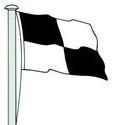
Flags with black and white squares tell you that the waters are used by surfers and other craft, so you should not swim there.
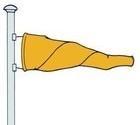
An orange windsock shows offshore wind conditions. You should NEVER use an inflatable when this is flying.
Lifeguards patrol many of South Devon’s beaches during the summer season. Whether you see someone in distress, witness an accident or lose someone from your party, lifeguards are there to maintain beach safety. Never feel embarrassed or unsure about approaching a lifeguard for help.
Most kids like splashing about with inflatables. But you must watch out for offshore breezes and strong currents, which can quickly send inflatables out to sea. To make sure your little ones are as safe as possible, it’s best to anchor any inflatables to the beach using a safety line. For maximum safety, this line should be held by an adult at all times. Never use an inflatable if an orange windsock is flying.
Tides can be fast moving and it’s easy to find yourself cut off from the main beach if you don’t know the hours of low tide and high tide.
If you are unfamiliar with a beach and its tides, you can buy a tide timetable from a local Post Office, newsagent, Tourist Information Centre or they can be found online.




The European Agricultural Fund for Rural Development: Europe investing in rural areas has supported Visit South Devon CIC to develop online destination marketing
© Visit South Devon Community Interest Company Ltd 2009 - 2026, Company Number 06891935
.png)
.png)
.png)
.png)