

 to add an item to your Itinerary basket.


From Torquay's lively waterfront to Dartmouth's historic harbour and the scenic railway along Dawlish, there's plenty to discover without getting behind the wheel. Better yet, travelling by public transport means less time worrying about parking and more time soaking up the coastal views.
Whether you're planning a weekend escape or a short holiday, this three-day South Devon itinerary will help you explore charming seaside towns, enjoy local experiences, and make the most of your trip without a car.
Before You Go: Planning a Smooth Car-Free Trip
A little preparation makes a big difference when exploring South Devon without a car. The region has a useful network of trains, buses and ferries, but not every coastal destination is directly connected by rail. Choosing the right accommodation and understanding your transport options will help you spend more time enjoying the scenery and less time figuring out connections.
For this itinerary, Paignton makes a convenient base. Its railway station offers connections to other towns along the English Riviera, while local buses and heritage transport open up more of the surrounding coastline. Staying near the town centre or station means you can leave your luggage at your accommodation and head out with just a day bag.
Before travelling, check railway timetables, save your accommodation details and look into any boat trips you'd like to take. Some services, particularly the heritage steam railway, operate seasonally, so it's worth building your plans around their availability rather than assuming they'll run every day.
Your phone will also be useful for checking connections, opening digital tickets and finding your way around unfamiliar streets. If you expect to use hotel or café Wi-Fi during your trip, installing free vpn software beforehand can add a layer of privacy by encrypting traffic between your device and the VPN server. It's a simple addition to your travel preparations, although it won't protect against every online risk.
Finally, download offline maps and keep important booking information accessible without an internet connection. Mobile coverage can vary in more remote coastal areas, and having a backup makes unexpected changes easier to manage.
With those basics covered, you're ready to explore.
Day 1: Discover the English Riviera by Train
Your South Devon adventure begins in Torquay, one of the best-known seaside towns on the English Riviera. With its waterfront, gardens and relaxed holiday atmosphere, it's an inviting place to start a coastal escape.
Morning: Explore Torquay's Waterfront
Start your morning near Torquay Harbour, where colourful boats, cafés and waterside views provide a welcoming introduction to the town. Take your time exploring the harbour area before following the seafront promenade.
One of Torquay's greatest appeals is that you don't need a packed schedule to enjoy it. A leisurely walk, a coffee overlooking the water and a few stops at independent shops can easily fill a pleasant morning.
If you'd like some history alongside the seaside atmosphere, consider visiting Torre Abbey. Its historic buildings and gardens offer a different perspective on the area and provide a good alternative if the weather isn't ideal for spending the entire morning outdoors.
Torquay also has plenty of places for lunch. Whether you prefer a traditional café, freshly prepared seafood or something quick before continuing your journey, there's no reason to rush.
Afternoon: Take the Train to Paignton
After exploring Torquay, continue to Paignton by local train. A bus is another option if its route is more convenient for your starting point.
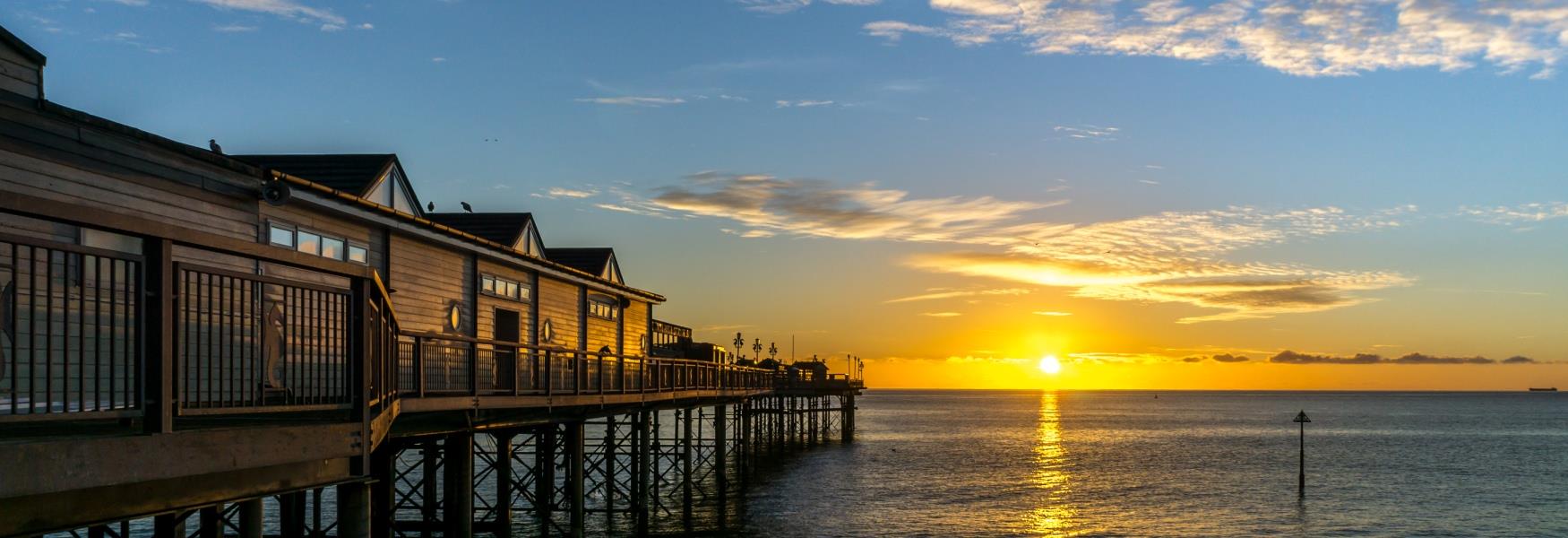
Paignton has a traditional British seaside character, complete with a broad beachfront, a pier and plenty of opportunities to enjoy the coast at an easy pace.
Begin with a walk along Paignton Sands. On a clear day, the views across Tor Bay make even a simple stroll memorable. The promenade is also a good place to slow down, watch the activity on the beach and enjoy the atmosphere without committing to another major attraction.
If you're in the mood for a longer walk, head towards Paignton Harbour and Roundham Head. This scenic area offers elevated views of the coastline, with paths leading towards Goodrington Sands.
Goodrington is particularly appealing for visitors who enjoy a quieter stretch of beach and the chance to spend a little more time outdoors. You can explore the shoreline, relax with a drink or simply find a comfortable spot to appreciate the scenery.
Don't feel obliged to visit every beach on your first afternoon. One of the advantages of a car-free holiday is being able to focus on a smaller area and actually enjoy it.
Evening: Settle Into Paignton
As the afternoon winds down, return to central Paignton for dinner and a relaxed evening.
Staying here makes the following day easier, especially if you're planning to take the Dartmouth Steam Railway. Check its departure station and timetable before turning in, so you won't need to make last-minute arrangements the next morning.
After a day of waterfront walks and seaside views, a comfortable evening is all you need.
Day 2: Explore Dartmouth and Its Historic Waterfront
Day two brings a different side of South Devon: heritage railway journeys, river scenery and one of the region's most attractive historic harbour towns.
Dartmouth is well worth visiting, but it requires a little more transport planning than Torquay or Paignton. The town doesn't have a mainline railway station, so you'll need to combine different forms of transport.
Fortunately, getting there can be one of the most memorable parts of the trip.
Morning: Travel Towards Dartmouth
During its operating season, the Dartmouth Steam Railway offers a wonderfully scenic journey from Paignton to Kingswear.
The heritage line takes passengers through coastal countryside, past wooded slopes and towards the River Dart. Rather than treating transport as something to get through, you can enjoy the changing landscape as part of the experience.
Kingswear sits across the river from Dartmouth. Once you arrive, a short passenger ferry crossing brings you to the opposite bank, where Dartmouth's waterfront and historic streets are waiting.
It's a lovely approach to the town, particularly on a clear day when the river is busy with sailing boats and other vessels.
The steam railway doesn't operate every day throughout the year, so check the current timetable and ticket arrangements before setting out. If you're visiting outside its operating season, investigate available bus connections and allow additional travel time. You may find that a different destination is more practical on a short winter break.
Afternoon: Explore Dartmouth at Your Own Pace
Once in Dartmouth, start with a walk along the waterfront.
The town's maritime heritage is visible almost everywhere, from its harbour setting to the historic buildings overlooking the river. It's the sort of place where taking an unplanned turn down a side street can lead to an interesting shop, café or unexpected viewpoint.
Make time for Bayard's Cove, a picturesque part of the waterfront known for its historic atmosphere. Then wander towards the town centre, where independent shops, galleries and inviting places to eat provide plenty of reasons to linger.
Dartmouth is particularly enjoyable when you resist the temptation to move too quickly. Stop for lunch, watch the boats passing along the River Dart and take in the combination of architecture and natural scenery.
If you're interested in local history, Dartmouth Castle is another possible attraction. However, reaching it involves additional travel or walking, so consider it an optional extension rather than an essential stop on a short visit.
You could also explore river cruise options during the main tourist season. A boat trip offers a different view of the estuary and surrounding countryside, although availability depends on the operator, weather and time of year.
For many visitors, simply spending a few hours exploring the waterfront and historic streets is more than enough.
Evening: Return to Paignton
Before leaving Dartmouth, check your return connection carefully.
If you're travelling on the heritage railway, make sure you know the last suitable ferry and train departures. Don't assume that services will continue into the evening.
Return to Paignton for dinner or a quiet evening near your accommodation.
By now, you've experienced two very different sides of South Devon: the lively coastal atmosphere of the English Riviera and the quieter maritime charm of Dartmouth.
And you've done it all without needing a car.
Day 3: Enjoy Dawlish and the Scenic Coastal Railway
For your final day, head towards Dawlish, a traditional seaside town famous for its coastal railway, distinctive red cliffs and relaxed atmosphere.
This part of the trip is especially rewarding for anyone who enjoys scenic train travel. The railway along the coast is an attraction in its own right, with stretches offering memorable views of the sea.
Morning: Enjoy the Coastal Train Journey
From Paignton, take a train towards Dawlish, changing at Newton Abbot if your chosen service requires it.
As the railway approaches the coast beyond Newton Abbot, look out for the changing scenery. The route passes through Teignmouth before following the spectacular shoreline towards Dawlish.
At certain points, the railway runs remarkably close to the water, with red sandstone cliffs on one side and expansive sea views on the other.
It's easy to understand why this stretch is considered one of the most scenic railway journeys in the region.
Once you reach Dawlish, take a few minutes to appreciate the seafront before heading into town.
Unlike larger seaside resorts, Dawlish has a distinctly laid-back feel. Its traditional streets, small shops and welcoming cafés make it particularly suitable for a relaxed final day.
Afternoon: Discover Dawlish's Coastal Charm
Begin by exploring The Lawn, a pleasant green space in the centre of town.
Dawlish Water runs through this area, and you may spot the town's famous black swans swimming along the brook. It's a charming feature that gives Dawlish a character of its own.
Nearby, you'll find independent shops and places to stop for refreshments. This is an ideal opportunity to enjoy a leisurely lunch rather than squeezing in another attraction.
Afterwards, return towards the seafront for a coastal walk.
If the weather and path conditions are suitable, consider following the sea wall towards Dawlish Warren. This route runs alongside the railway and provides wonderful views of the coastline.
The walk between Dawlish and Dawlish Warren is approximately a mile and a half along the main sea-wall section, making it an appealing option for visitors who want some fresh air without committing to a lengthy hike.
Dawlish Warren also offers a sandy beach and a nature reserve, providing a pleasant contrast to the town centre.
However, coastal conditions can change quickly. High waves, strong winds or temporary access restrictions may affect sections of the route, so always follow local safety information.
If you'd rather avoid the longer walk, simply enjoy Dawlish itself. The beach, promenade and town centre offer enough to make the visit worthwhile.
Evening: A Relaxed End to Your Trip
As your final day comes to a close, make your way back to the railway station for your onward journey.
Depending on your travel plans, you can return to Paignton to collect your luggage or continue towards Exeter and other destinations.
If possible, leave a little time between connections. A relaxed departure is much more enjoyable than spending the final hour of your holiday rushing between platforms.
Essential Tips for Exploring South Devon Without a Car
Three days is enough to enjoy several of South Devon's highlights, but a few sensible choices will make your trip even better.
Choose accommodation with transport in mind. Staying near Paignton station is convenient for this particular itinerary, but Torquay may be a better fit if you prefer a wider choice of restaurants and nightlife. Consider the distance between your accommodation and the station, especially if you're travelling with luggage.
Treat timetables as part of the plan, not an afterthought. Local train services, bus connections and ferries don't necessarily operate at the same frequency. Heritage services may also have limited operating days. Checking your route the evening before each trip helps prevent unnecessary surprises.
Give yourself room to change plans. South Devon's weather can be unpredictable, and a sunny morning doesn't guarantee a dry afternoon. Keep a lightweight waterproof jacket handy, wear comfortable footwear and have an indoor alternative in mind.
For example, a rainy afternoon might be better spent exploring local history, browsing independent shops or enjoying a long lunch than attempting an exposed coastal walk.
Keep your daily itinerary realistic. It's tempting to add another town whenever you see somewhere interesting on a map. But each additional stop introduces another connection, and short distances don't always translate into quick journeys.
A simpler itinerary often creates a better holiday. You'll have more time to appreciate the places you visit and less pressure to watch the clock.
It's also worth checking whether any railcards or suitable regional tickets could reduce your transport costs. Compare the available options against your actual journeys rather than assuming a pass will always be cheaper.
Finally, remember that not every beautiful corner of South Devon is easy to reach without a car. Some secluded beaches and rural villages require infrequent buses, long walks or taxis.
That doesn't make a car-free holiday any less rewarding. It simply means choosing destinations that work well together and enjoying the experience they offer.
Final Thoughts: South Devon Is Worth Slowing Down For
Exploring South Devon without a car isn't about seeing absolutely everything in three days. It's about discovering how much you can experience when you travel a little more slowly.
From Torquay's lively waterfront and Paignton's traditional seaside atmosphere to Dartmouth's historic harbour and Dawlish's unforgettable railway views, each stop offers something different.
With the right accommodation, realistic transport plans and a little flexibility, a car-free South Devon holiday can be both practical and genuinely relaxing.
And perhaps that's the best part. Without the pressure of driving, finding parking or constantly moving between attractions, you're free to enjoy what makes this coastline special.
Sometimes, the journey really is part of the holiday.
" Sponsored"
Related
Comments
Comments are disabled for this post.