.png)
.png)
.png)
.png)



 to add an item to your Itinerary basket.


Devon does this strange thing to people — you arrive thinking you’ll just pop in for a look, and then suddenly you're wandering around with your jaw half-open because the place keeps shifting moods on you. Sharp cliffs one minute, quiet lanes the next. A harbour where someone’s shouting about crabs. A field. A cliff again. It’s a bit dizzying, in a good way.
Visitors don’t usually come here to uproot their entire lives. They come for a breather, a weekend that accidentally drifts into Monday, a walk that turns into another walk because the first one ended somewhere odd and interesting. And, honestly, that’s the charm. You stop where it feels right — maybe a cream tea, maybe a windswept bench, maybe a cove nobody warned you about.
Some of the best spots aren’t exactly sitting beside the main bus routes. Devon likes to hide things — trails that vanish behind hedges, viewpoints you only notice if you glance sideways at the right moment. People end up improvising their own little routes, and, yeah, sometimes grabbing a local rental like Devon Van Hire just because it lets you wander off to places that seem almost too tucked away to be real.
Either way, here’s a loose, slightly chaotic guide to a few corners worth poking around.
Jurassic Coast
If you’ve never stood on a shoreline and tried to wrap your head around “millions of years,” the Jurassic Coast will hand you that crisis for free. It stretches from Devon into Dorset and feels… old. Not museum old — deeper than that, in the bones of the cliffs.
People poke around for fossils at Lyme Regis or Charmouth. It’s strangely soothing, like beachcombing but with the chance of holding something older than most countries.
-
Don’t miss: Fossil-hunting at Lyme Regis or Charmouth
Sidmouth, with its rusty-red cliffs, has this slow afternoon vibe where even the seagulls seem unbothered. Walk a bit, sit a bit, repeat until you forget what time it is. The whole coast feels like that — a sort of gentle quiet layered over raw geology.
Dartmoor National Park
Dartmoor is a mood. Wide. Empty. Windy enough to smack the hair into your eyes. Tors rise out of the ground like someone half-finished building something and wandered off. The ponies roam around like they own the place (they kind of do).
Some folks hike miles; others park somewhere random and just… wander. Both approaches work. There’s history scattered everywhere — stone circles, bridges that look like they’ve been stepped on by centuries of boots.
-
Don’t miss: Scrambling up Haytor for the views (and the wind that tries to knock you over)
And Dartmoor can feel lonely, but in a comforting way. Like the world got quiet on purpose.
Exmoor National Park
Exmoor flips the mood completely. Softer around the edges. Greener. You get valleys that fold into each other and then, bam, a cliff over the Bristol Channel that makes you swear out loud because the view hits hard.
Lynton and Lynmouth cling to the hills in this almost theatrical way — connected by an old cliff railway that looks like it shouldn’t work but does.
-
Don’t miss: Sneaking into the twin villages of Lynton and Lynmouth for the views
At night, everything goes black — the good kind of black. Proper stars. Like someone punched holes in the sky. People stay out late just to stare upward and forget their phones exist.
North Devon Beaches
North Devon stretches out its beaches like it's bragging — wide, gold-toned, and dramatic when the wind picks up. Surfers swarm Croyde like birds on a chip, and beginners wobble around on boards while locals pretend not to laugh.
-
Don’t miss: Watching surfers wipe out at Croyde (or joining them, if you're brave)
Woolacombe feels endless, almost too big for the UK. Saunton’s dunes whisper a bit when the breeze moves through them, and the whole area has this relaxed, stretchy feeling where time doesn’t matter. Long walks happen whether you meant to take one or not.
The English Riviera
Torquay, Paignton, Brixham — the trio with beach-resort energy dialled somewhere between “family holiday in July” and “unexpectedly Mediterranean afternoon.” Palm trees pop up where your brain says they shouldn’t. Harbours glint a little too photogenically.
-
Don’t miss: Fresh seafood in Brixham, especially if you like your lunch caught about ten minutes ago
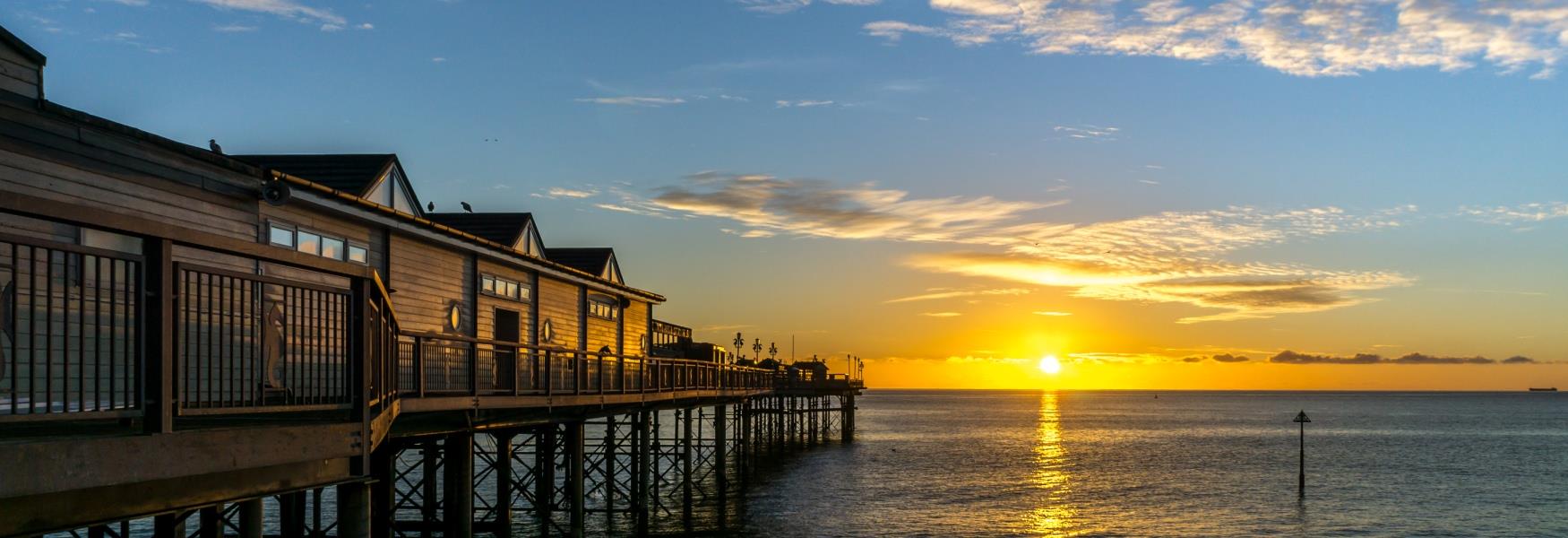
Boat trips zigzag around the bay; gardens spill over stairways; Paignton’s pier does its cheerful, slightly chaotic thing. Sunlight sticks to the water in a way that feels unfair to every inland town in Britain.
Historic Exeter
Exeter isn’t loud about its history; it just sits there with a cathedral so beautiful it almost feels smug. The lawn outside turns into an unofficial picnic zone whenever the weather gives people permission.
The Underground Passages are weird, quirky, a bit unsettling — exactly what you’d expect from medieval tunnels. And then there’s the Quayside: shops, kayakers, someone buying ice cream at 10 a.m. just because.
-
Don’t miss: Ducking into the medieval Underground Passages
Exeter works as a home base, though that makes it sound more organised than most trips actually are. People drift in, drift out, and somehow keep ending up back at the cathedral.
The Freedom to Explore Devon
Devon isn’t tidy. That’s the part I like. Landscapes jump from cliffs to moors to tiny harbours without apologising for the abrupt shift. The whole county feels open — not in the “big wide space” sense (though yes), but in the “breathe a little easier here” sense.
Moorland horizons one hour. A quiet valley, the next. A sunset that sneaks up on you while you’re thinking about dinner. Exeter glows gently in the evening. A seaside town where everything smells like salt and chips.
There isn't a single “Devon experience.” It’s more like a collection of small moments you only realise were vital once you’ve left. Devon slows people down without asking them to. Maybe that’s why travellers keep returning — or at least daydreaming about doing so.
"Sponsored"
Related
Comments
Comments are disabled for this post.