.png)
.png)
.png)
.png)



 to add an item to your Itinerary basket.


The crowds disappear, the beaches fall silent, and the countryside opens up under crisp, golden light. Winter brings a sense of calm to the area that many visitors prefer: empty cliff paths, quiet harbours, dramatic sea, and wide stretches of coast bathed in low sunlight.
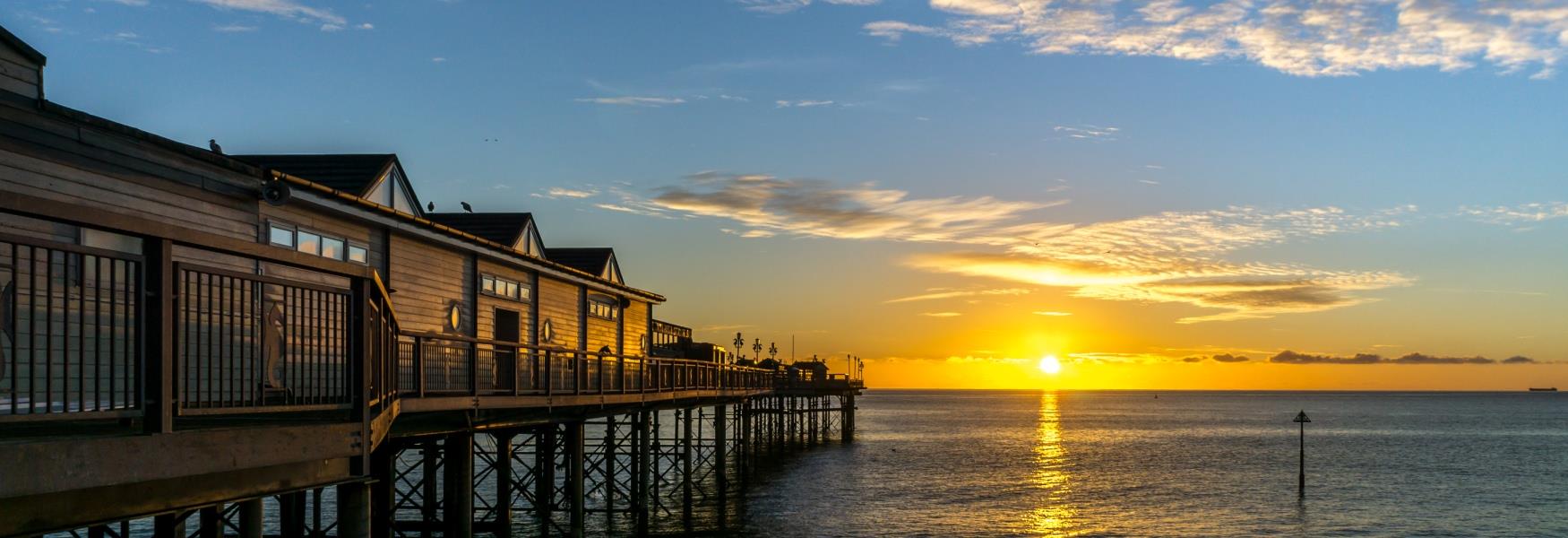
Yet this same low winter sun creates a surprising challenge for tourists. Sunlight sits directly on the horizon, reflecting off the sea, wet sand, and winter roads.
Even on cold days, glare can be strong enough to interrupt a coastal walk or make driving difficult. Sunglasses remain just as valuable in December as they are in midsummer.
This guide explores the best places to visit in South Devon during winter, why eye protection still matters, and how choosing the right sunglasses makes sightseeing, walking, and driving far more enjoyable.
Why Winter Sunlight in South Devon Deserves More Attention
Winter does not eliminate sun exposure. The sun sits lower and shines directly at eye level, particularly along coastal areas where there are few buildings or tall trees to block the light.
Combined with:
-
reflective seawater
-
wet sand after receding tides
-
shiny harbour surfaces
-
damp winter lanes
Hope Cove: A Peaceful Winter Escape
Hope Cove is one of South Devon’s most atmospheric winter destinations. Its twin coves, sheltered beneath steep hills, catch the low afternoon sun beautifully. With fewer visitors around, the beaches feel calm and inviting.
The wet sand at low tide reflects sunlight sharply, and the sea often glows a bright white during winter.
Sunglasses help you appreciate the details around you: the tide lines, the colour of the cliffs, and the subtle changes in the water’s surface. Winter walks around the cove become far more comfortable with reduced glare.
Bantham Beach and Burgh Island: A Classic Winter View
Bantham Beach is striking at any time of year, but winter gives it a dramatic, peaceful quality.
The River Avon meets the sea here, forming wide, reflective shallows that mirror the sky. Across the water, Burgh Island rises quietly from the sea like a winter monument.
The tidal causeway between Bantham and Burgh Island can still be crossed safely on certain low tides during winter. Sunglasses give clearer visibility over the shimmering sand and shallow water, making it easier to see where the surface is wet or slippery.
Polarised lenses also help bring out the textures of rocks, pools, and waves that can otherwise disappear behind glare.
Salcombe and North Sands: Tranquil Harbours in Winter Light
Salcombe is known for its summer boating culture, but winter brings a quiet, reflective charm. The harbour becomes still, and the estuary often looks like a sheet of glass under low sun.
North Sands and South Sands are popular for short winter walks, offering exceptional views across the water. The estuary reflects the pale winter sky, which can be dazzling on brighter days. Sunglasses allow visitors to enjoy the scenery without squinting, making the experience more comfortable and visually clear.
For those interested in photography or wildlife watching, polarised lenses provide sharper contrast, helping you spot coastal birds and occasional dolphins more easily.
4. The South West Coast Path: Crisp Air and Dramatic Winter Scenery
South Devon contains some of the most breathtaking sections of the South West Coast Path. Winter turns these routes into quiet, windswept landscapes with clear visibility and fresh sea air.
Recommended winter stretches include:
-
Thurlestone to Bantham
-
Bolt Tail to Bolberry Down
-
Dartmouth to Blackpool Sands
-
Brixham to Berry Head
On these cliff-top paths, the low sun reflects directly off the sea, making certain sections dazzling without protection. Sunglasses not only improve comfort but also help walkers see steps, uneven ground, and rocky edges more clearly.
Polarised lenses reduce the reflection from wet rocks or shallow pools that can make surfaces appear flat or difficult to read.
Dartmouth, Totnes, and Kingsbridge: Scenic Winter Drives
South Devon’s winter drives are some of the most scenic in the UK. The routes between Dartmouth, Totnes, and Kingsbridge cut through rolling countryside, river valleys, and stretches of coastline with panoramic views.
However, these same routes can be challenging when the sun is low. Drivers frequently encounter:
-
Sunlight shining directly across the windscreen.
-
Glare from wet winter roads.
-
Scattered light from headlights on damp evenings.
-
Reflective puddles and water runoff.
Sunglasses help counter these sudden brightness changes, making it easier to read signs, navigate bends, and track cyclists or pedestrians on narrow lanes.
For those who need vision correction, prescription sunglasses provide a significant advantage by eliminating the need to switch between regular glasses and tinted lenses.
Dawlish Warren: Wide Skies and Winter Wildlife
Dawlish Warren Nature Reserve is a major winter highlight for bird watchers and coastal walkers. The long sand spit offers uninterrupted views of the Exe Estuary, which becomes a reflective basin under winter light.
Wet sand flats, tidal pools, and the broad estuary can produce overwhelming brightness on clear days.
Sunglasses allow visitors to enjoy long walks without eye strain, making it easier to spot winter wading birds, seals, or distant boats. The open landscape and wide skies are particularly striking during sunrise or sunset.
Berry Head National Nature Reserve: Panoramic Views Across Torbay
Berry Head offers some of the most impressive winter views in South Devon. From its clifftop fort, visitors can see across the entire sweep of Torbay, with deep blue winter seas and clear skies extending for miles.
The high vantage point means sunlight often reflects upward from the water below. Sunglasses reduce this mirrored glare, making it easier to enjoy the visibility and spot seabirds, fishing boats, and distant landmarks without discomfort.
Why Tourists Still Need Sunglasses in Winter
Visitors often assume sunglasses are only necessary for summer. In reality, South Devon’s landscape makes glare a year-round issue.
Tourists benefit from sunglasses because:
-
Coastal light is stronger and more reflective than inland light.
-
Winter sun sits at eye level, not overhead.
-
UV exposure remains active throughout the colder months.
-
Sightseeing involves long periods outdoors.
-
Driving unfamiliar roads requires clear visibility.
Preparing for Your Trip: Where to Buy Winter Sunglasses
Winter sunglasses are harder to find in high-street shops because many retailers stock mainly summer ranges. Buying online gives you a wider choice and allows you to pick the specific coatings and lens types suited for coastal winter glare.
A reliable UK option is Glasses2you, where you can order polarised lenses, prescription sunglasses, UV400 protection, and scratch-resistant coatings before you travel.
Having the right eyewear ready ensures you can enjoy South Devon’s winter landscapes comfortably from the moment you arrive.
Choosing the Best Sunglasses for Winter Travel
Not all sunglasses are equally effective in winter. The ideal features for South Devon include:
Polarised Lenses
Cuts glare from the sea, rivers, wet roads, and reflective sand. This is the most important feature for coastal winter travel.
UV400 Protection
Blocks harmful UV rays that remain active throughout the colder months.
Mid-to-Dark Tint
Provides the right balance for low but intense winter sunlight.
Anti-Scratch Coating
Essential for beach walks where sand, wind, and winter grit can wear down lenses.
Prescription Options
Perfect for visitors who drive long distances or enjoy hiking on coastal paths.
Final Thoughts
South Devon in winter is calm, scenic, and full of character. From the quiet sands of Hope Cove to the panoramic cliffs of Berry Head, the region offers countless reasons to visit outside of summer. But the same low sun that makes the landscape beautiful can also make exploration challenging without proper eye protection.
Sunglasses enhance every part of the winter experience. They sharpen details, reduce glare, protect from UV, and allow you to enjoy long walks, scenic drives, and coastal views in complete comfort.
" Sponsored"
Related
Comments
Comments are disabled for this post.