.png)
.png)
.png)
.png)



 to add an item to your Itinerary basket.


There’s something quietly magical about following a river from its very beginning all the way to the sea. It’s a journey that reveals not just changing landscapes, but the rhythm of a place—its wildlife, its history, and the communities shaped along the way.
In South Devon, few rivers tell this story more beautifully than the River Exe. Here, local wedding photographer, Lee Maxwell, tells his story about uncovering the River Exe from its quiet beginnings on Exmoor to its meeting point with the sea - documenting not just the scenery, but the feeling of moving through a landscape shaped by water.
The following is from Lee's blog:
There’s something strange about living somewhere your whole life and never quite seeing it properly. I’ve always lived in Devon, walked sections of the River Exe more times than I can count. In and around Exeter, along the estuary near Topsham, and out towards Exmouth. Like most people, I knew the river well in parts. But I’d never seen where it actually begins. So over the quieter winter months, when life as a Devon wedding photographer slows down, I set out to follow the River Exe. From its source on Exmoor, all the way to the sea.
This project took place over two months, from planning through to shooting, covering more than 25 locations as the river winds its way from Somerset into Devon. It wasn’t about ticking off landmarks or creating a guide. It was more about understanding how it shapes the land and how people live alongside it. And honestly, it was also just an excuse to get outside with a camera.
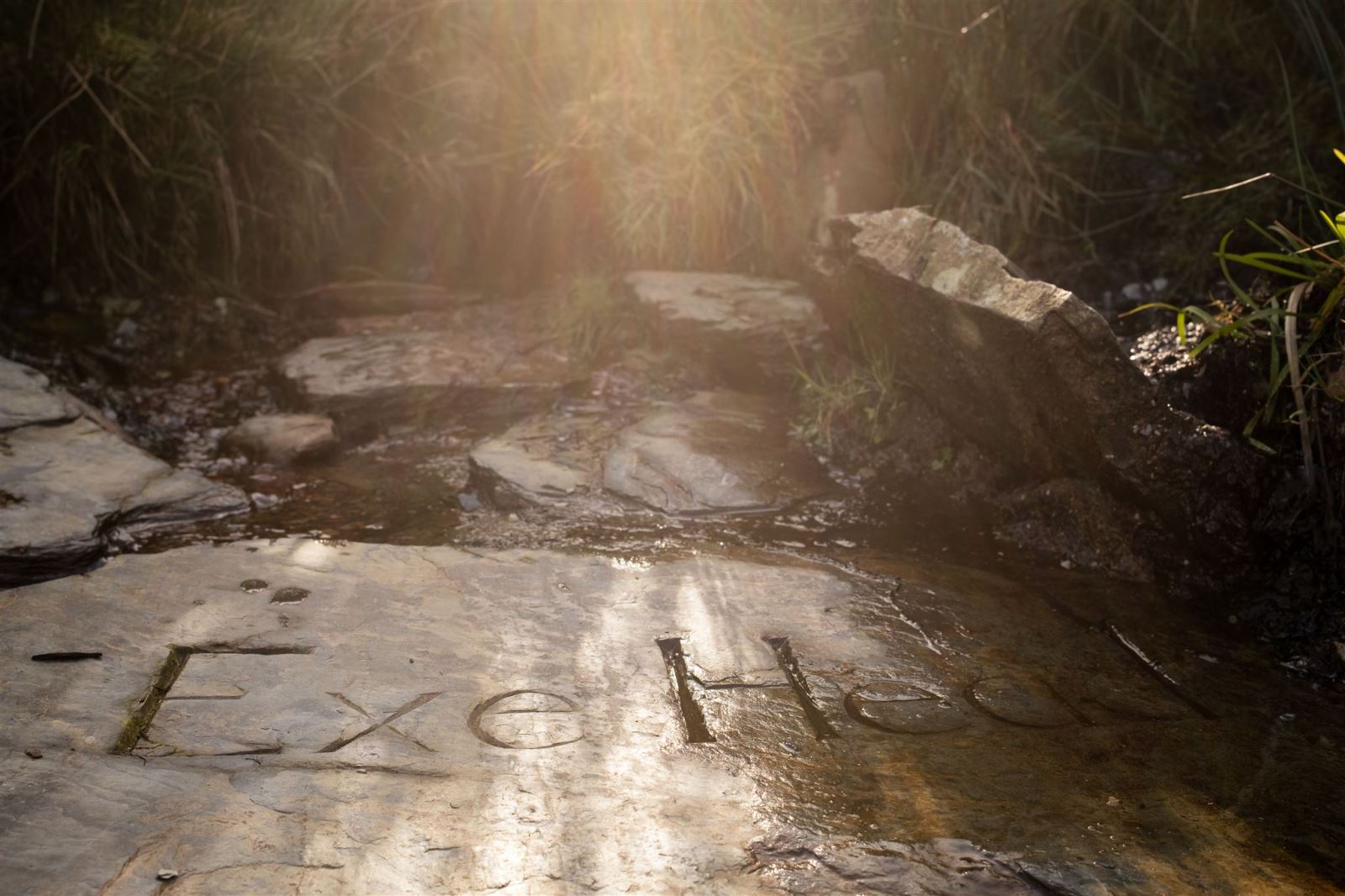
The River Exe begins quietly, almost unremarkably, at Exe Head near Simonsbath. There’s no dramatic spring or obvious starting point, just wet ground, peat, and small channels gathering themselves into something that eventually becomes a river. Standing there, it’s hard to imagine that this is the same water that ends its journey at the wide, tidal estuary in Exmouth.
Finding the Source of the River Exe
The source of the River Exe isn’t marked in an obvious way, which is part of what makes it interesting to visit. I used the OS Maps app to follow a walking route from Simonsbath, across Exmoor, towards Exe Head.
If you’re planning to visit:
– Start near Simonsbath and aim for GPS 51°09’32.7″N 3°47’12.1″W.
– Use a downloaded walking route, there will be no signal to navigate.
– Be prepared for uneven and boggy ground.
Most other locations along the river are far more accessible, and many can be reached directly by road or short walks.
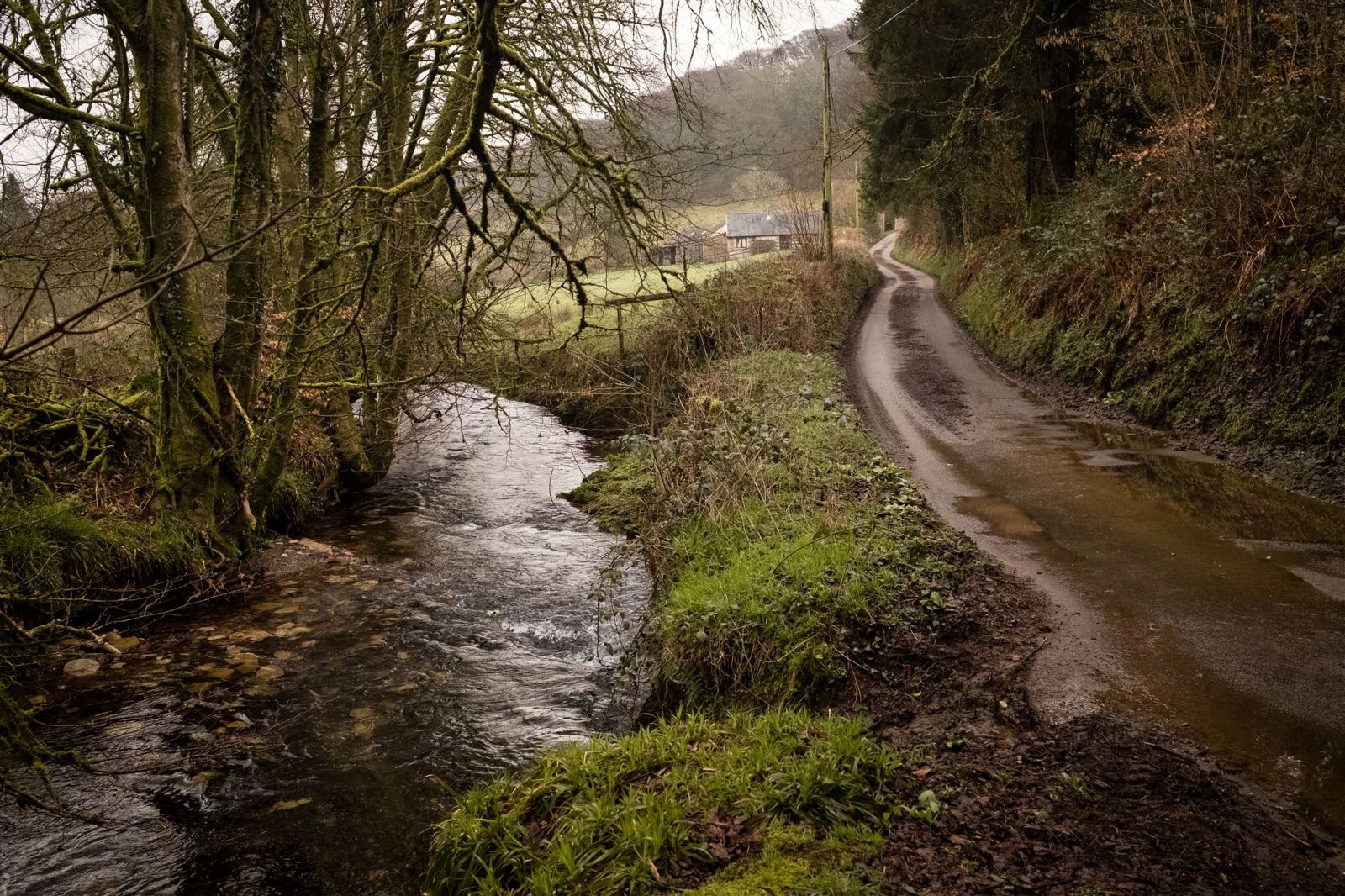
Moving downstream, the character of the Exe changes quickly. Around Exford, it still feels wild. The river is narrow, fast, and surrounded by open moorland. There’s very little to interrupt it. Further on, the landscape begins to soften. The river slows slightly, bends more, and starts to feel like part of a working countryside rather than something untouched.
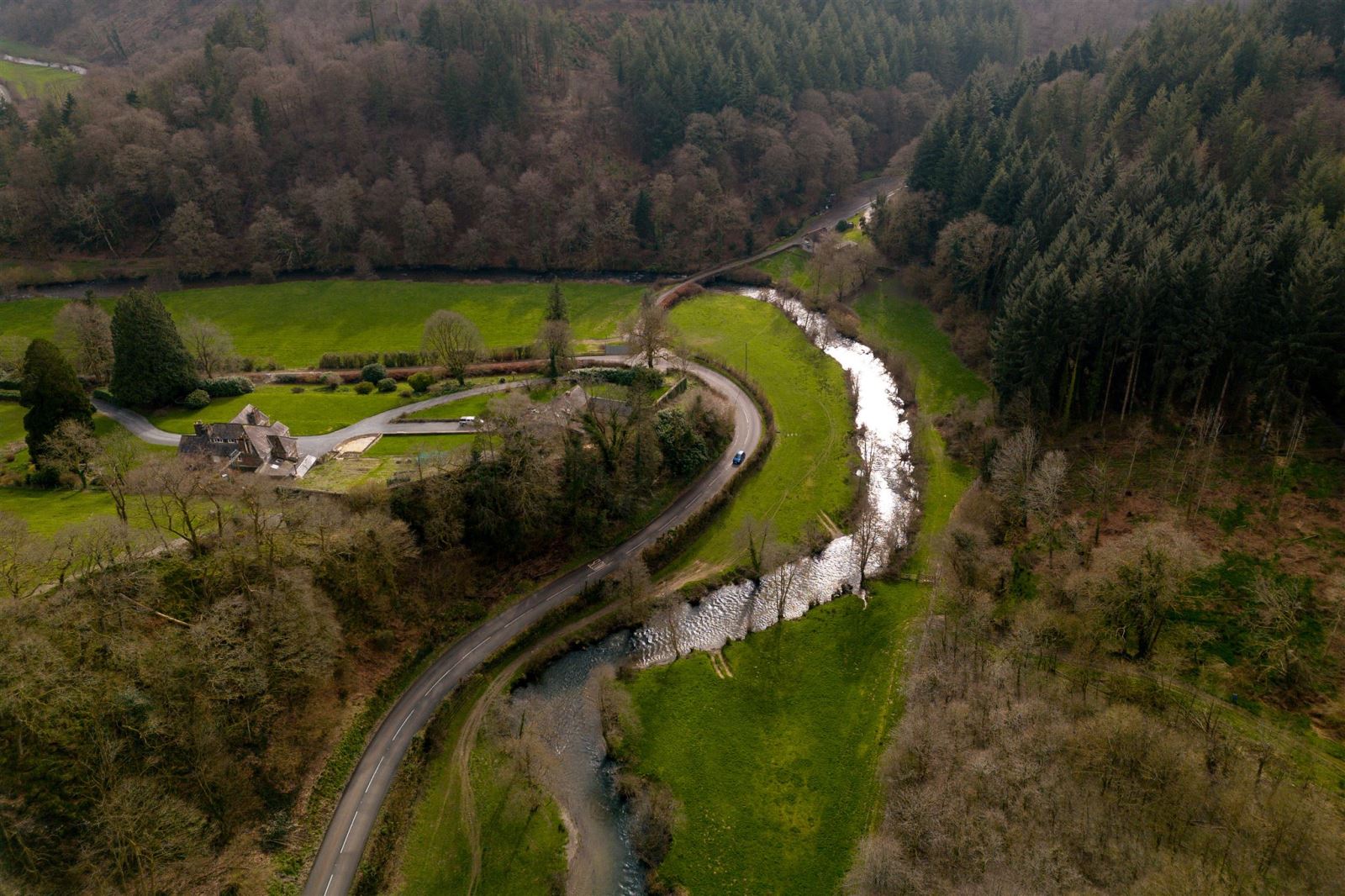
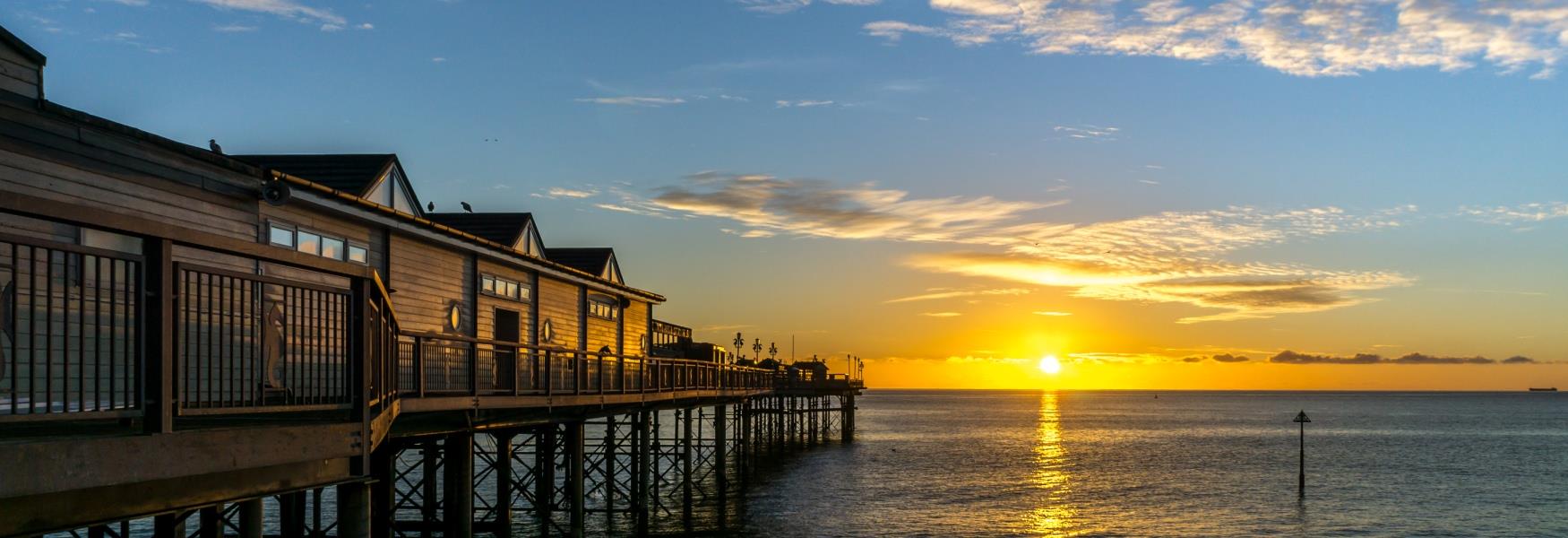
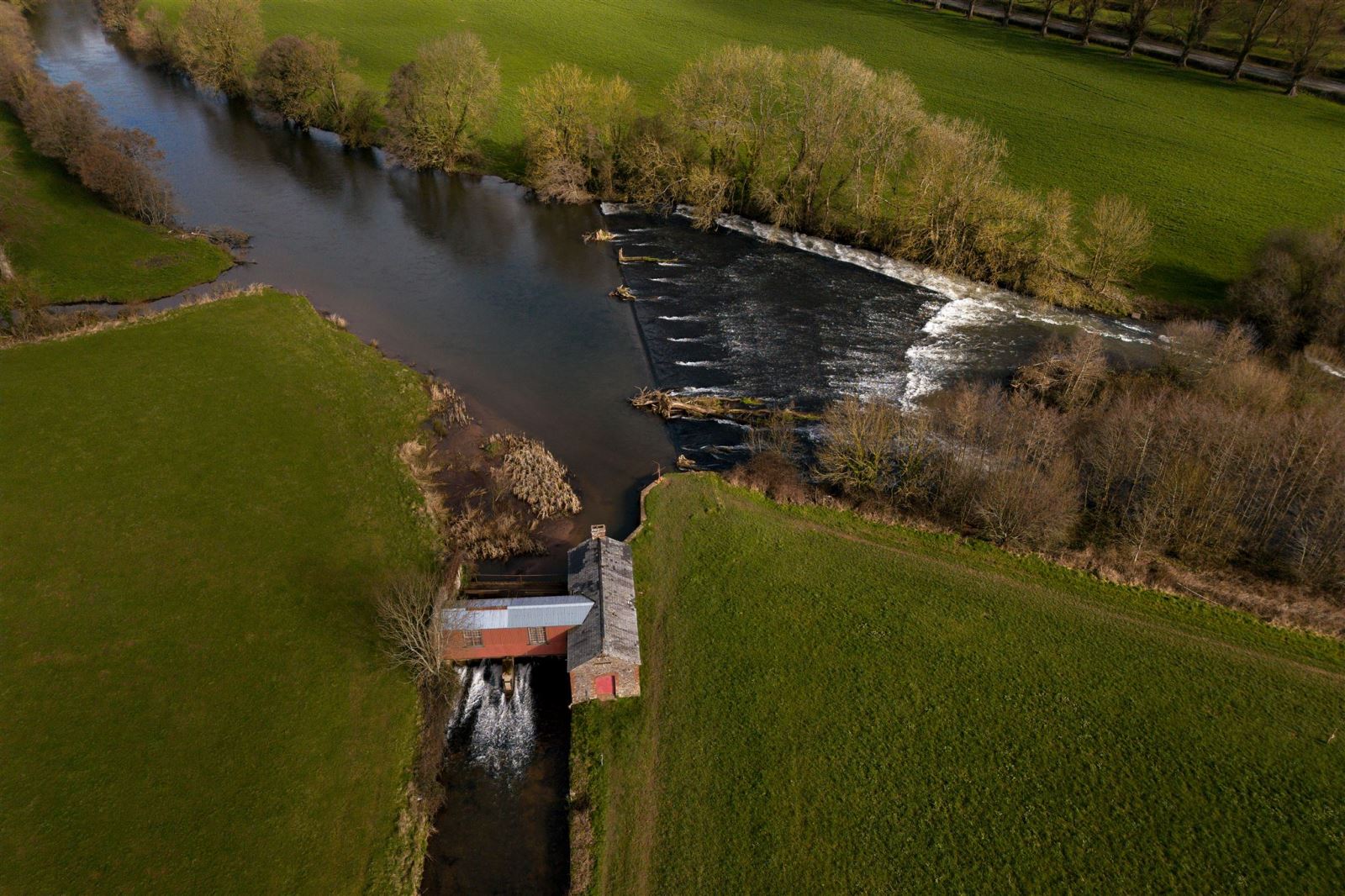
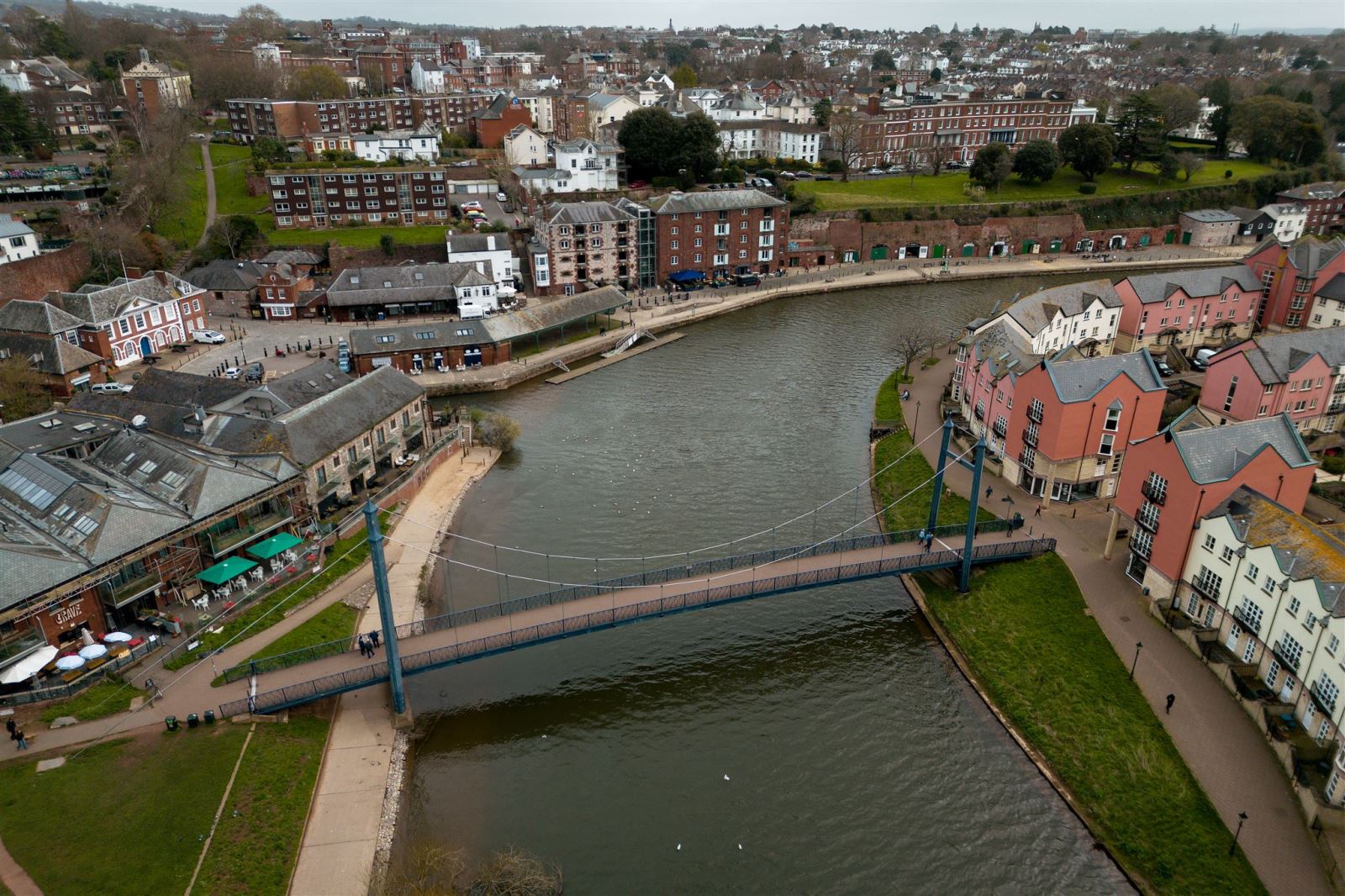
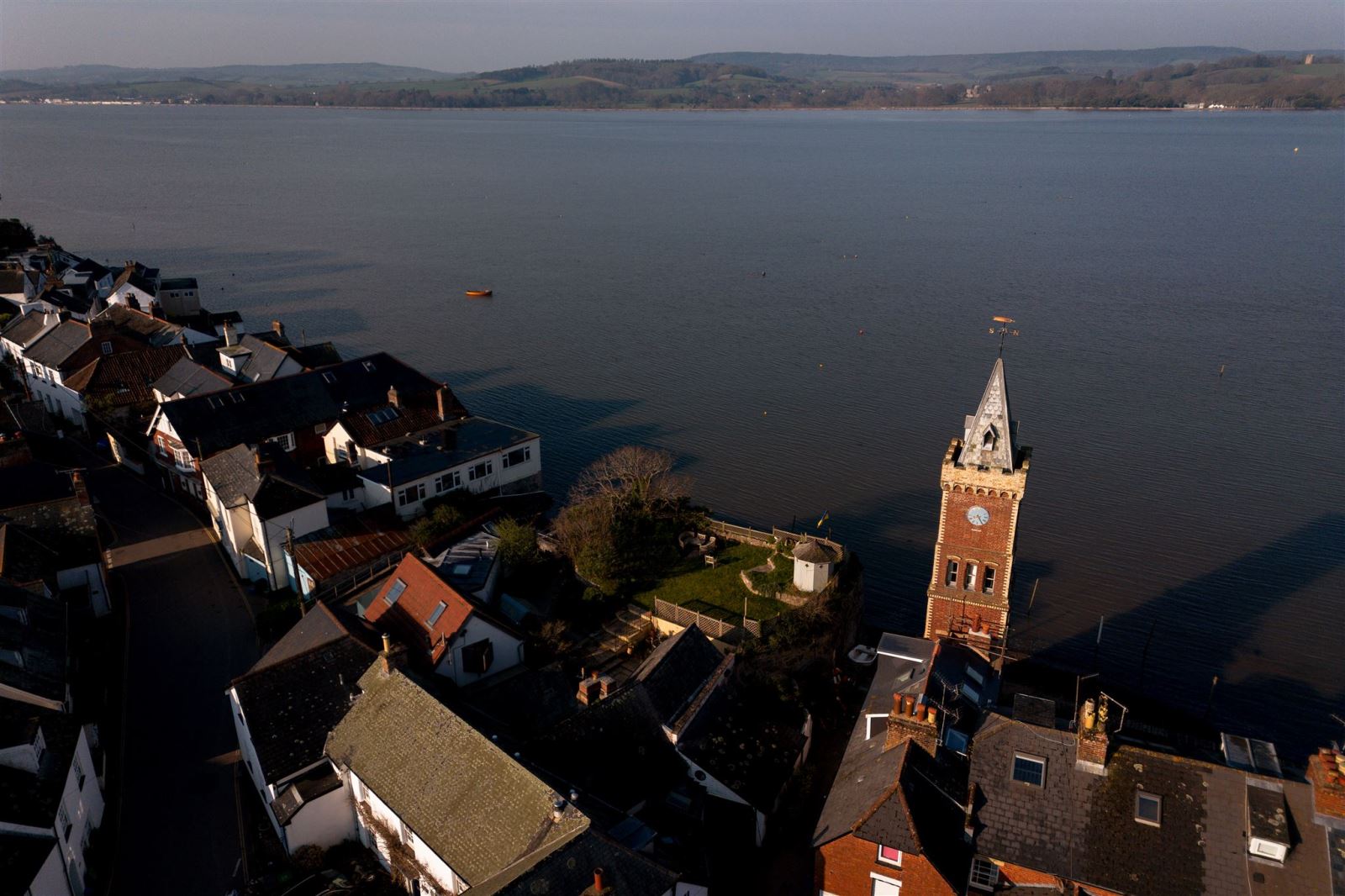
By the time it reaches Tiverton, the Exe has a different identity altogether. Here, you start to see how the river has shaped the town – mills, bridges, and the remnants of industry that depended on it. Then further south again, near Topsham, everything opens up. The river widens, the air changes, and the influence of the sea becomes obvious. Tides replace current as the dominant force. Finally, at Exmouth, the journey ends, the river meeting the English Channel, losing its identity as a river altogether.
Photographing the Exe
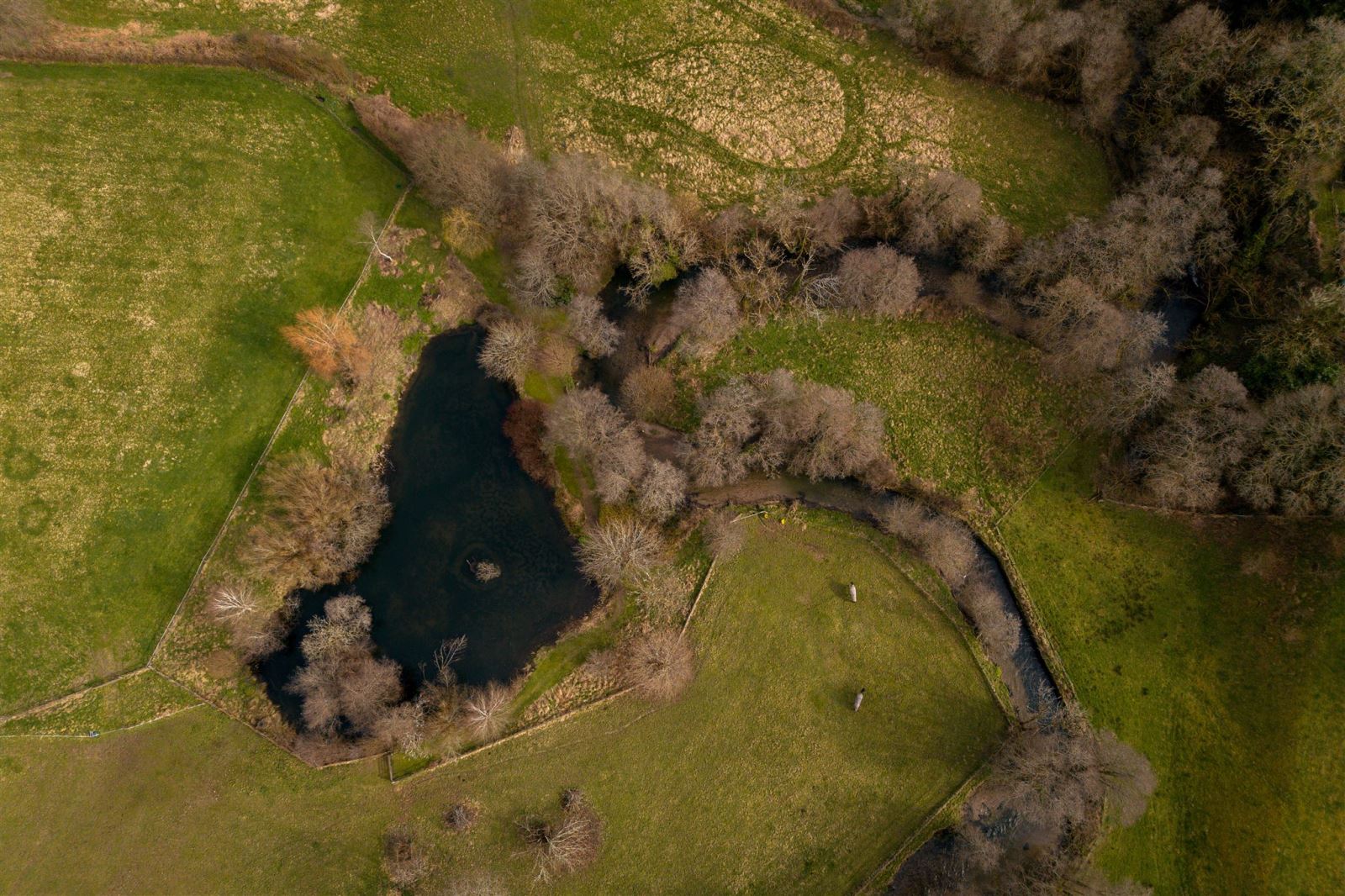
Most of the images from this project were shot using a DJI Mini 3 drone and a Fuji X100VI. The combination worked well for this kind of work: The drone allowed me to show the shape of the river – the bends, the floodplains, the way it cuts through the land. It also allowed access to viewpoints you’d never reach on foot. The Fuji was for everything more grounded – details, textures, and moments along the banks. Timing varied depending on access and location. Some places were close to home and easy to revisit at sunrise. Others meant a two-hour drive followed by a long walk just to reach the river. That inconsistency actually became part of the process. Not every image is golden light or perfect conditions, and that felt more honest to the river itself.
Thank you to Lee for sharing this wonderful journey and blogpost with us. If you'd like to see more photos from this project or more of Lee's work, visit https://www.lee-maxwell.com or take a look on his Instagram here.
Related
Comments
Comments are disabled for this post.