.png)
.png)
.png)
.png)



 to add an item to your Itinerary basket.


South Devon remains one of those places people return to without needing much persuasion.
Sitting along one of the best-known stretches of England’s south coast, the region lies close to the UNESCO-recognised Jurassic Coast, famous for its cliffs, fossils, and long geological history.
The wider Devon area has also long been linked with well-known creatives, from Agatha Christie to Samuel Taylor Coleridge, as well as modern bands like Muse. However, coastline shifts from busy harbours to quiet coves within a short drive, while market towns sit only a few miles from open countryside.
That mix makes the area popular for short breaks, family holidays, organised tours, and even small business events.
This article looks at some of the most visited places in South Devon, along with practical travel tips, planning advice, and ideas to help you organise a trip that fits the time you have.
Planning Your Travel to South Devon
Getting to South Devon often involves more coordination than people expect, especially if you are travelling as part of a group, tour, or organised visit. Train routes, car hire, and accommodation bookings can fill up quickly in peak months, so many travellers plan transport alongside choosing where to stay.
When making larger or organised bookings, some visitors consider B2B travel options, which are often used for event travel, business trips, and tour groups with several people following the same schedule.
For couples and families, booking directly with local hotels, holiday parks, or cottage rentals often gives more flexibility, especially when travel dates are not fixed. Smaller groups sometimes prefer planning day by day, choosing accommodation first and then organising transport and activities around it.
Thoroughly planning a trip to South Devon can help avoid long detours, especially during summer weekends when roads toward the coast become busy earlier in the day.
What Are The Top Attractions to Visit in South Devon?
There are countless things to do in South Devon, and they all cover a wide area, so choosing a few places to focus on makes a visit easier to manage. Along the River Dart, Dartmouth remains one of the most visited towns in the region, known for its historic waterfront, boat trips, and views across to Kingswear.
A short drive inland, Totnes offers a different atmosphere, with Totnes Castle overlooking the town and a long high street filled with independent shops and weekly markets.
Further south, Salcombe sits on the Kingsbridge Estuary and attracts visitors year-round for its beaches, sailing routes, and coastal walks. In summer, the town's population increases several times over, which is why many people book accommodation months in advance.
Other popular places visitors often include in the same trip:
-
Brixham: Working fishing harbour with coastal paths and seafood restaurants
-
Hope Cove: Small village known for sheltered beaches and cliff walks
-
Kingsbridge: Market town at the head of the estuary with independent shops
-
Newton Abbot: Historic town with markets, a racecourse, and nearby countryside routes
-
Ashburton: Gateway to Dartmoor, known for antique shops and old stone streets
Outdoor Activities and Coastal Experiences
The South Devon coastline forms part of the South West Coast Path, one of the longest walking routes in the UK, stretching more than 600 miles in total. Sections near Hope Cove, Salcombe, and Brixham are among the most popular because the paths stay close to the water while still being easy to reach from nearby towns.
Kayaking and paddleboarding are common along the Dart Estuary, where calmer water makes it suitable for beginners as well as experienced visitors.
Dartmoor National Park sits just inland from the coast, and the open moorland attracts walkers, cyclists, and wildlife watchers throughout the year.
Information about protected landscapes and walking routes can be found on the National Trust website, which manages several coastal and countryside locations across Devon.
Food, Culture and Local Events
Food and local events form a large part of the South Devon experience, especially in towns that still keep traditional markets and seasonal festivals.
Totnes holds regular market days that bring in traders from across the county, while Kingsbridge and Modbury are known for smaller independent shops rather than large chains.
A selection of recommended places to eat and drink in South Devon:
-
Àclèaf: Fine dining restaurant known for seasonal West Country ingredients
-
The Cricket Inn: Popular coastal pub serving fresh seafood and local dishes
-
Venus Café: Bigbury-on-Sea – beachside café known for simple, locally sourced food
-
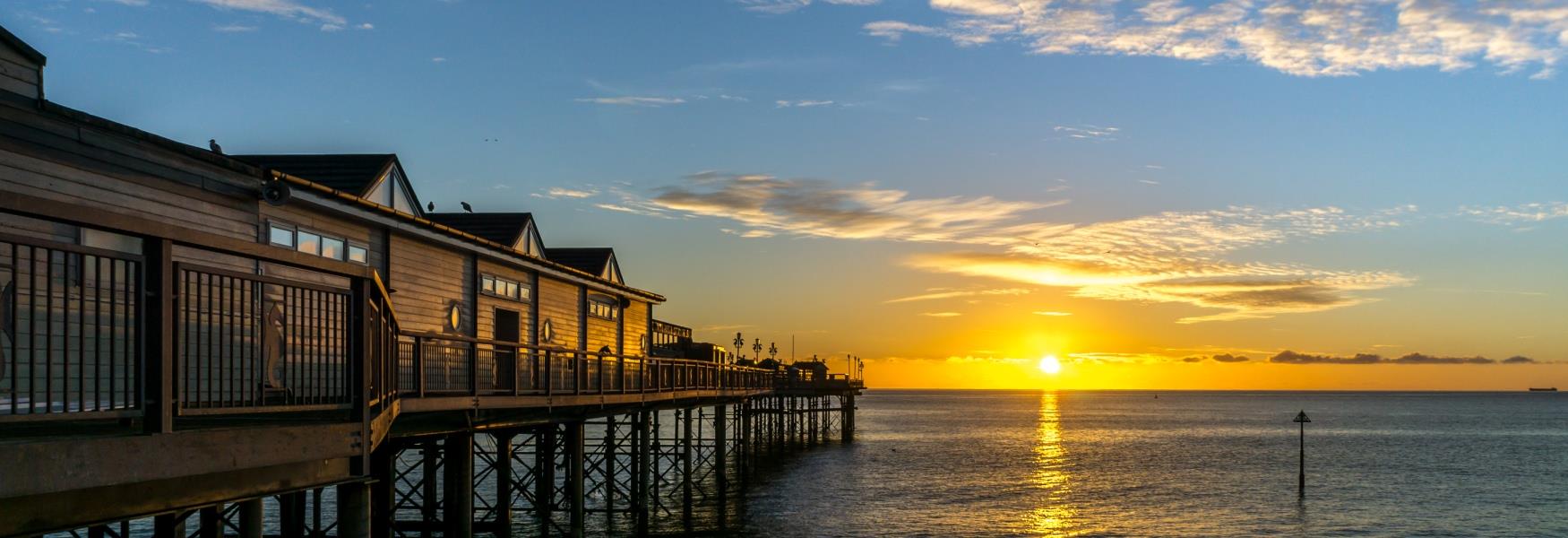
The 1881 Restaurant at The Grand Hotel: Seafront dining with locally caught fish and regional produce
Along the coast, Brixham remains one of the busiest fishing ports in England, which explains why seafood appears on most menus in the area.
Throughout the year, regattas, food festivals, and town fairs take place across the South Hams, with summer being the busiest period. Traditional Devon cream tea with scones, jam, and clotted cream remains a regional staple, while food festivals, farmers’ markets, and vineyard tours take place across South Devon.
These events can affect accommodation prices and travel times, so checking dates before booking often helps avoid last-minute changes, particularly if you are visiting with a group.
Why Planning Makes the Trip Easier
South Devon rewards visitors who take a little time to plan before arriving. The region covers coast, countryside, and historic towns within a short distance, yet each area has its own pace and character.
Booking accommodation early becomes more important between May and September, when many towns reach full capacity during weekends and school holidays.
Visitors travelling for weddings, tours, or work events often organise transport, accommodation, and activities together rather than separately, simply because availability changes quickly during busy periods. Knowing where you want to go first, how you will travel, and what you want to see will make your experience less rushed.
Whether you come for a weekend break, a longer holiday, or an organised trip, a bit of preparation usually means you leave having seen far more than you expected.
"Sponsored"
Related
Comments
Comments are disabled for this post.